





Why Blood Sugar Regulation Changes After 40
Around the fourth decade of life, human physiology undergoes a quiet shift in how the body handles carbohydrates and circulating glucose. This change is not a disease. It is a predictable alteration in how tissues respond to metabolic cues.
The primary driver is a gradual decline in insulin sensitivity. Insulin is the cellular gatekeeper. When you eat, food breaks down into glucose, entering the bloodstream. The pancreas releases insulin to signal muscle, fat, and liver cells to absorb that glucose for immediate energy or storage.
After age 40, cells often become slightly less responsive to this signal. Think of it like a lock that has worn down over time: the key still fits, but it takes more turns to open the door. To achieve the same clearing effect in the bloodstream, the pancreas must produce more insulin.
Several intersecting factors accelerate this shift. Skeletal muscle mass typically begins to decline by roughly three to eight percent per decade after age 30, a process known as sarcopenia. Because muscle tissue is the primary consumer of glucose in the body, losing active muscle tissue leaves fewer metabolic sponges to soak up circulating sugar.
Simultaneously, body composition tends to shift. Even if overall weight remains stable, visceral fat—the deeper adipose tissue surrounding internal organs—often increases. Visceral fat is biologically active, releasing inflammatory signaling molecules that further impair how cells respond to insulin.
Hormonal transitions also play a role. In women, the perimenopausal transition brings fluctuations in estrogen, which influences glucose metabolism and fat distribution. In men, a gradual, subtle decline in testosterone levels can alter body composition and insulin dynamics.
Together, these physiological adjustments mean that the body processes identical meals differently at 45 than it did at 25. Post-meal blood glucose spikes tend to reach higher peaks and take longer to return to baseline. Recognizing this shift allows for targeted adjustments in daily habits long before metabolic health becomes a clinical challenge.
What Insulin Sensitivity Means — and Why It Declines
Insulin is a hormone released by the pancreas whenever glucose enters the bloodstream after a meal. Think of insulin as a key that unlocks the body’s cells, allowing sugar inside to be used for immediate energy or stored for later. Insulin sensitivity describes how well muscle, fat, and liver cells respond to that key. High sensitivity means cells open easily with a small amount of insulin. Low sensitivity, or insulin resistance, means the locks are stiff. The pancreas must pump out larger quantities of insulin to force the cells to open and clear the sugar from the blood.
This cellular responsiveness does not stay static over a lifetime. After age 40, several overlapping biological shifts cause insulin sensitivity to trend downward, even in individuals who maintain stable body weight and regular exercise habits.
Sarcopenia plays a primary role in this decline. Skeletal muscle acts as the main disposal site for glucose in the human body, taking up roughly 80 percent of circulating blood sugar after a carbohydrate-containing meal. Beginning in the fourth decade, adults typically lose between three and eight percent of their muscle mass per decade if they do not perform targeted resistance training. With less muscle tissue available to act as a glucose sink, the body has fewer storage units for incoming sugar.
At the same time, fat distribution patterns shift. Hormonal changes, particularly the decline in estrogen during the menopausal transition and gradual testosterone reductions in men, favor the accumulation of visceral fat. Unlike subcutaneous fat stored just beneath the skin, visceral fat wraps around internal organs in the abdominal cavity. Visceral fat is metabolically active tissue that constantly releases inflammatory signaling proteins, known as cytokines, directly into the portal vein leading to the liver. These inflammatory compounds interfere with the normal signaling pathways that insulin uses to activate cellular glucose transporters.
Cellular aging further compounds the problem. Mitochondria, the structures inside cells responsible for generating energy, can become less efficient over time. When mitochondrial function declines, incomplete fat breakdown products accumulate inside muscle and liver cells. These lipid intermediates block insulin receptors from signaling correctly, reinforcing the resistance loop.
Because the pancreas compensates for this cellular resistance by producing more insulin, blood glucose tests may remain within the normal range for years while circulating insulin levels quietly rise. Recognizing this shift requires looking past standard glucose readings to understand how efficiently the body handles metabolic fuel.
The Connection Between Blood Sugar and Cellular Aging
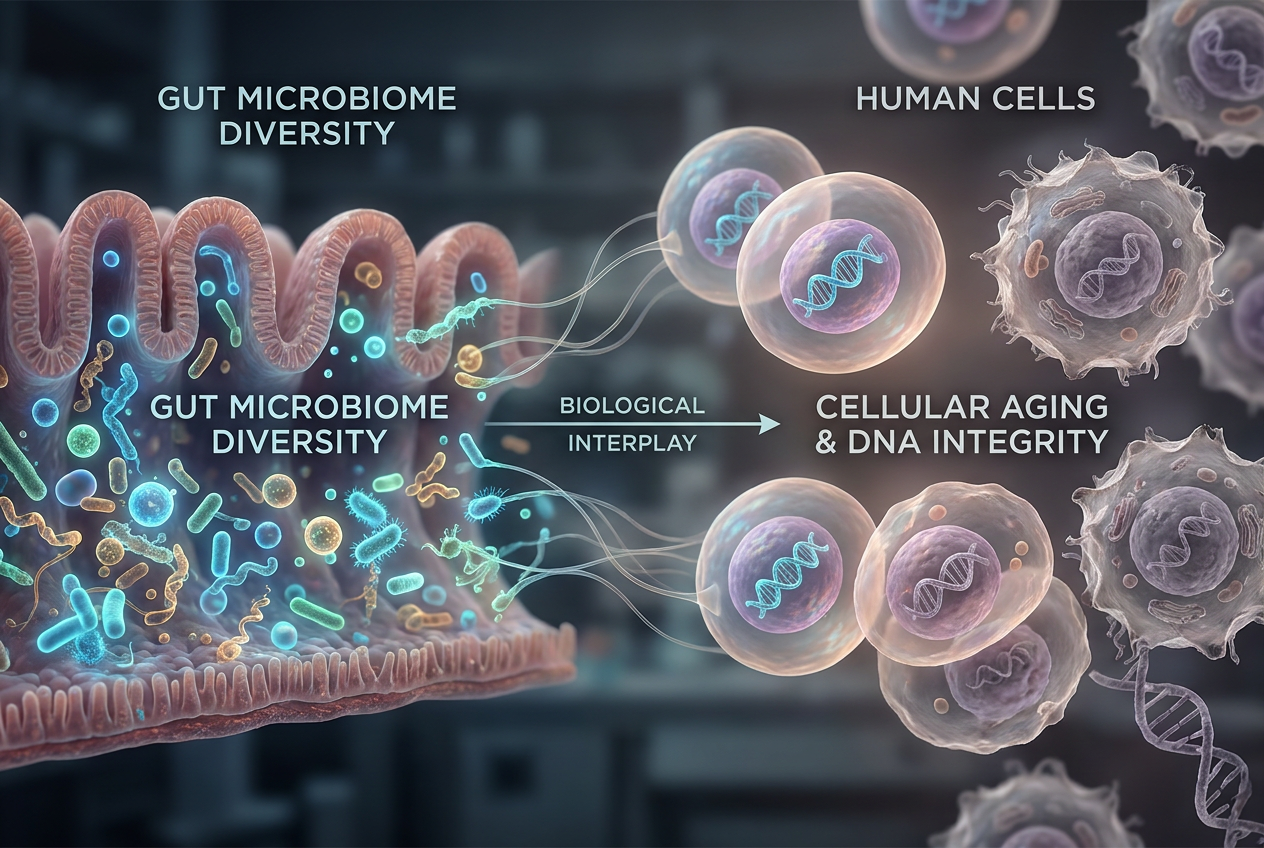
Chronically elevated glucose does not just sit idly in the bloodstream. Sugar molecules randomly attach to circulating proteins and lipids through a non-enzymatic process called glycation. This chemical reaction forms harmful structures known as advanced glycation end-products, or AGEs.
AGEs accumulate slowly over decades, but their rate of formation increases when average blood sugar levels remain high. These compounds degrade the structural integrity of long-lived proteins like collagen and elastin, which provide elasticity to blood vessels, skin, and joint tissue. As AGEs bind to specific cellular receptors, they trigger intracellular signaling cascades that generate persistent, low-grade inflammation and oxidative stress.
At the cellular level, this steady background inflammation interferes with normal metabolic signaling and impairs mitochondrial efficiency. Mitochondria produce the primary chemical energy cells require to function and repair themselves. When glucose toxicity and oxidative stress damage these structures, energy output drops, and cells produce more reactive oxygen species. This creates a self-reinforcing loop: damaged mitochondria struggle to maintain metabolic control, which can lead to further cellular dysfunction and accelerate biological aging across multiple organ systems.
Key Warning Signs Your Blood Sugar May Be Out of Balance
Subtle shifts in metabolic regulation rarely announce themselves with a sudden medical crisis after age 40. Instead, the body sends quiet, everyday signals that glucose handling is becoming less efficient. Recognizing these patterns early allows for targeted adjustments long before standard blood tests show a formal diagnosis of prediabetes or type 2 diabetes.
One of the most common everyday indicators is reactive fatigue following a carbohydrate-heavy meal. When insulin resistance begins to develop, the pancreas often releases an excessive amount of insulin to clear glucose from the bloodstream. This surge can overshoot the target, driving blood sugar down below baseline levels a couple of hours after eating. The result is a pronounced afternoon slump, brain fog, or a sudden, urgent need for caffeine or sugar to restore focus.
Another frequent sign involves sleep disruption during the night. When glucose levels drop too low hours after dinner—often triggered by erratic daytime insulin responses—the brain perceives a mild physiological emergency. It releases stress hormones like cortisol and adrenaline to push stored glucose back into the circulation. This hormonal spike can jolt the nervous system awake, leading to frequent waking between two and four in the morning, sometimes accompanied by night sweats or a racing heart.
Physical changes in body composition also offer clues. As cells become less responsive to insulin, the body preferentially stores excess circulating energy as visceral fat around the abdominal organs rather than as subcutaneous fat under the skin. An expanding waistline independent of major changes in total caloric intake frequently mirrors underlying shifts in insulin sensitivity.
Skin changes can provide an additional visual cue. Chronic hyperinsulinemia stimulates skin cells and melanin production, sometimes resulting in dark, velvety patches of skin known as acanthosis nigricans, typically found along the back of the neck, in the armpits, or around the knuckles. Small skin tags around the neck and upper chest also correlate clinically with elevated fasting insulin levels over time.
These signs do not confirm a metabolic disorder on their own, but taken together, they serve as early warnings from a system working harder than it used to. Pinpointing these functional changes creates an opportunity to investigate further using structured personal monitoring and simple laboratory markers.
Practical Steps to Improve Insulin Sensitivity Naturally
Improving how cells respond to insulin does not require drastic dietary restriction or extreme athletic regimens. Because metabolic shifts after 40 happen gradually, small and consistent adjustments yield the most stable long-term results.
Skeletal muscle acts as the primary sponge for clearing glucose from the bloodstream. When muscle mass contracts during physical activity, it pulls sugar out of the blood without needing insulin at all. Resistance training two to three times per week increases the number of glucose transporters on muscle cells, making them more receptive to insulin long after the workout ends. A brisk walk for fifteen minutes immediately following a meal also blunts the post-meal glucose spike by encouraging working muscles to absorb circulating energy.
Dietary patterns that reduce the frequency of sharp glucose peaks give pancreatic beta cells time to rest. Prioritizing dietary fiber from vegetables, legumes, and whole plant sources slows down carbohydrate digestion. Soluble fiber forms a gel-like matrix in the gut, which delays gastric emptying and moderates the rate at which glucose enters the bloodstream. Combining carbohydrates with adequate protein and healthy fats further flattens the glucose curve, preventing the rapid surges that over time wear down cellular receptor sensitivity.
Quality sleep and stress management play an equally direct role in metabolic regulation. Chronic psychological stress and sleep deprivation trigger the release of cortisol and adrenaline. These hormones signal the liver to release stored glucose into the bloodstream to prepare for perceived physical danger, raising blood sugar levels even when no food has been consumed. Protecting sleep duration and incorporating stress-reduction practices help lower baseline cortisol, supporting stable glucose patterns throughout the day and night.
How to Monitor Your Blood Sugar at Home
Tracking how the body responds to daily habits offers direct insight into metabolic health without waiting for routine annual blood panels. Several practical tools allow adults over 40 to observe their personal glucose patterns in real time.
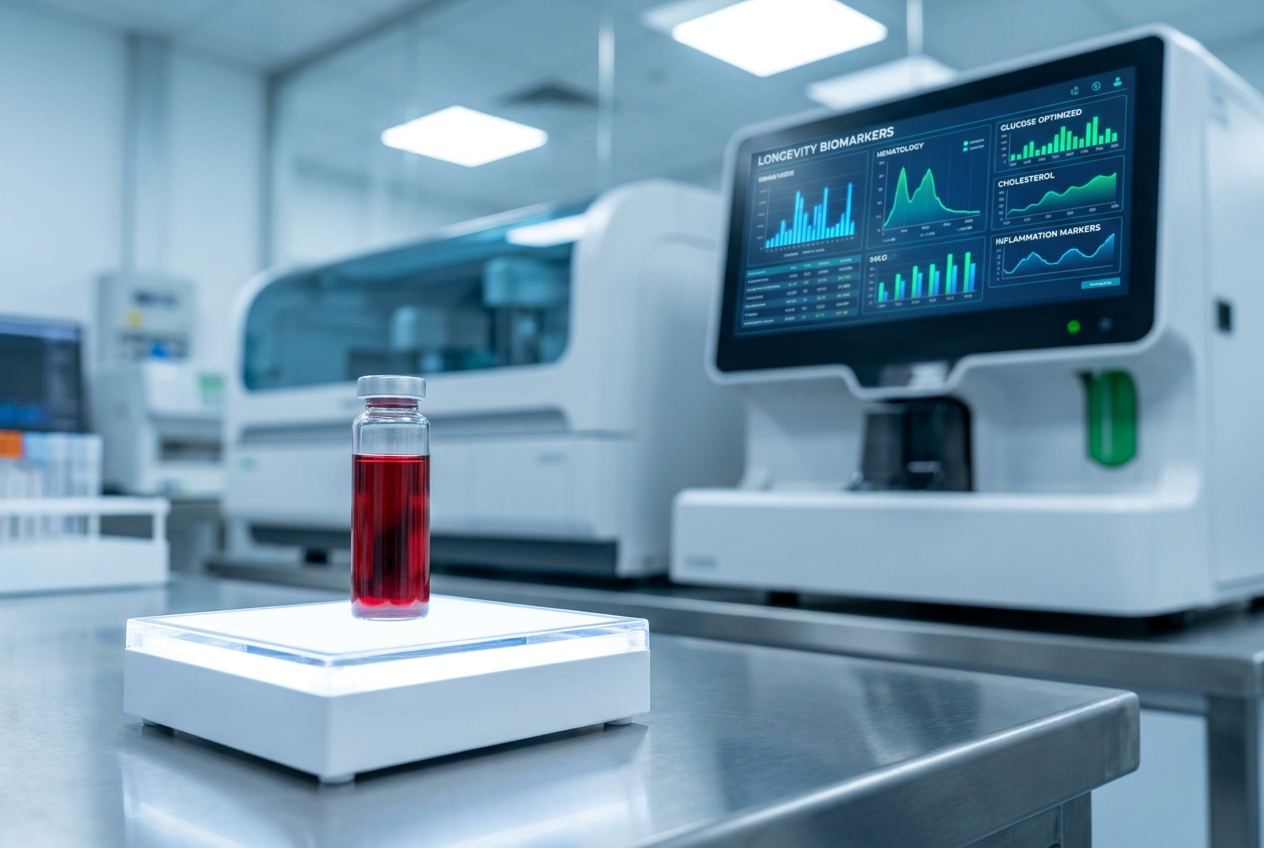
Standard blood glucose meters remain the most accessible option. A traditional finger-prick device measures blood sugar at a single exact moment. Testing fasting glucose immediately upon waking provides a baseline snapshot before any food or coffee enters the system. Measuring glucose one hour and two hours after a meal reveals how sharply blood sugar rises and how efficiently the body brings it back down. Healthy post-meal spikes generally peak below 140 milligrams per deciliter and return to baseline within two hours.
Continuous glucose monitors offer a more detailed view. These small sensors attach to the back of the arm and measure interstitial fluid glucose every few minutes, transmitting the data directly to a smartphone. Originally designed for diabetes management, continuous monitors have become widely used by health-conscious adults seeking to understand their individual glucose responses to specific foods, sleep deprivation, or stress.
Data from home monitoring is most useful when tracked over weeks rather than days. Single high readings after a celebratory meal are normal physiological responses, not causes for alarm. Persistent patterns—such as morning fasting levels creeping upward or prolonged elevations after meals—highlight areas where daily routines may need adjustment.
When to Seek Medical Advice
Home tracking and lifestyle adjustments provide valuable baseline data, but they cannot replace professional clinical evaluation. Certain metabolic thresholds require formal diagnostic testing ordered by a physician.
An established benchmark for clinical concern is a fasting blood glucose reading consistently above 100 milligrams per deciliter, or an HbA1c test result between 5.7 and 6.4 percent. These ranges indicate prediabetes, a state where glucose regulation is impaired but has not yet reached the diagnostic threshold for type 2 diabetes. Catching metabolic shifts at this stage offers a significant window for intervention.
A formal medical consultation is necessary if home monitoring reveals repeated fasting glucose readings above 125 milligrams per deciliter, or if random afternoon readings consistently exceed 200 milligrams per deciliter.
Individuals should also consult a healthcare provider when lifestyle modifications—such as increased physical activity and dietary shifts—fail to improve persistent symptoms like unremitting fatigue, frequent urination, or blurred vision over a period of several weeks.
Diagnostic tools available in a clinical setting include a standard oral glucose tolerance test or a comprehensive metabolic panel. These diagnostics assess how efficiently the body clears glucose from the bloodstream over a precise two-hour window following a standardized sugar load.
Anyone with a family history of metabolic disorders, cardiovascular disease, or hormonal conditions should discuss baseline screening schedules with their doctor well before age 40, rather than waiting for early warning signs to appear.
Frequently Asked Questions About Blood Sugar After 40
Is a fasting blood sugar reading of 102 mg/dL considered a diagnosis of type 2 diabetes? Clinical guidelines categorize fasting plasma glucose between 100 and 125 mg/dL as prediabetes, not full-scale diabetes. This threshold signals impaired fasting glucose, meaning the body is already losing some of its metabolic flexibility. It serves as an early indicator rather than a fixed medical label.
Do continuous glucose monitors offer any benefit to adults without a metabolic condition? Wearable sensors track interstitial fluid glucose levels in real time, revealing how specific meals, sleep deprivation, or stress impact individual responses. While these devices provide granular data, they can also trigger unnecessary anxiety over normal post-meal blood sugar spikes. Healthy physiology naturally involves fluctuations after eating.
Can natural supplements reverse age-related insulin resistance on their own? Compounds like berberine, chromium, and alpha-lipoic acid appear in numerous longevity protocols due to their potential effects on glucose metabolism. Current clinical data suggest these agents produce modest improvements at best. They cannot override the metabolic impact of chronic physical inactivity or diets high in ultra-processed carbohydrates.
How long does it take to improve insulin sensitivity through lifestyle changes? Skeletal muscle tissue adapts relatively quickly to increased physical demand and dietary shifts. Controlled trials observing structured resistance training and modest weight management often document measurable enhancements in insulin signaling within eight to twelve weeks. Consistency remains the primary variable determining long-term metabolic health after forty.
Frequently Asked Questions
Why does the body become less efficient at processing glucose during middle age?
Natural hormonal fluctuations, gradual loss of muscle mass, and decreased physical activity collectively reduce how effectively cells respond to insulin. These overlapping physiological changes mean the body requires more insulin to achieve the same metabolic effect it managed effortlessly in younger years.
How does chronic blood sugar elevation accelerate physical aging?
Excess circulating glucose binds to structural proteins and lipids through a damaging chemical reaction called glycation. This process degrades vital tissues, compromises skin elasticity, and promotes systemic inflammation that drives cellular aging.
Are there early physical indicators of declining insulin sensitivity before blood work reveals an issue?
Subtle red flags often include persistent afternoon fatigue, stubborn weight retention around the midsection, intense sugar cravings after meals, and occasional brain fog. These everyday symptoms typically reflect inefficient glucose delivery to cellular energy centers.
What are the most effective daily habits to enhance insulin sensitivity after 40?
Incorporating resistance training helps rebuild glucose-absorbing muscle mass, while daily post-meal walks rapidly clear circulating sugar from the bloodstream. Additionally, prioritizing adequate sleep and managing daily stress significantly stabilizes cortisol levels, which directly influence glucose metabolism.
When should someone transition from lifestyle modifications to formal medical intervention?
Professional clinical guidance becomes essential if persistent home monitoring reveals fasting glucose readings consistently above 100 mg/dL or if symptoms like unexplained thirst and frequent urination appear. A physician can perform definitive diagnostic tests, such as an HbA1c panel, to evaluate long-term glycemic control.