






What Magnesium Does in Your Body: Cells, Nerves, and Energy
Magnesium acts as a chemical catalyst in over three hundred enzyme reactions. Your body cannot run its basic metabolic machinery without it. Every cell relies on magnesium to stabilize its outer membrane and control which molecules enter and exit.
Within the nervous system, magnesium functions as a natural brake. It binds to specific cellular receptors to prevent nerve cells from becoming overactive and firing too easily. This calming action helps keep your heartbeat steady and your muscles from cramping.
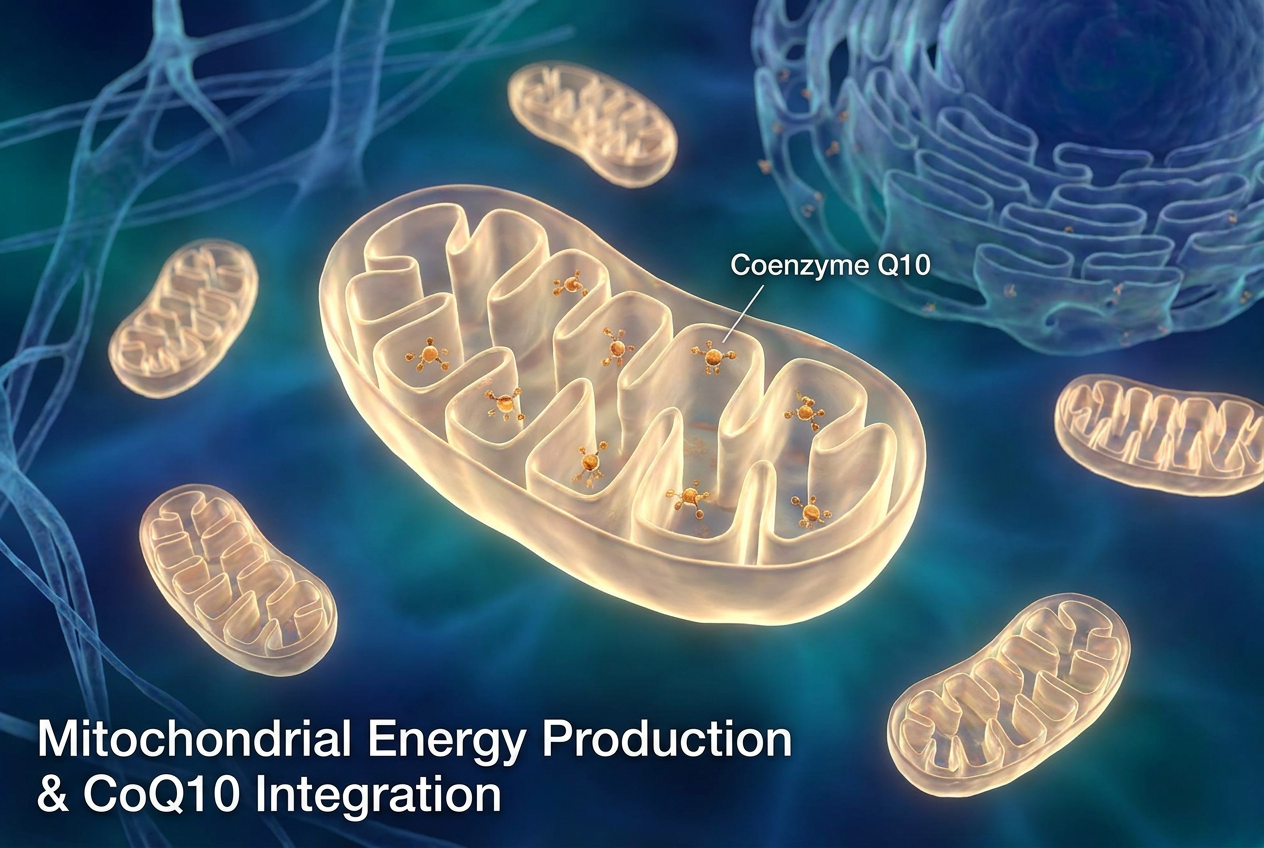
At the microscopic level, magnesium directly supports your mitochondria. These tiny structures inside your cells generate the primary energy currency known as ATP. Magnesium attaches directly to ATP molecules to make them biologically active. Without enough magnesium, energy production stalls, which explains why a deficiency often shows up as persistent physical fatigue.
Magnesium and Sleep: What the Evidence Actually Shows
Clinical trials show that magnesium supplements can help older adults fall asleep an average of fifteen to twenty minutes faster. The mineral achieves this by binding to gamma-aminobutyric acid receptors. GABA is the primary chemical messenger responsible for calming brain activity. By activating these receptors, magnesium quiets racing neurons and lowers core body temperature, signaling the brain that it is time to rest.
Researchers also track how magnesium interacts with the pineal gland to support natural melatonin production. While results vary across clinical studies, people with mild sleep disturbances often report fewer nighttime awakenings. The mineral does not act as a heavy sedative. Instead, it restores baseline physiological balance so the nervous system can transition into deep sleep stages more efficiently.
Magnesium and Stress: The Nervous System Connection
Magnesium acts as a natural brake for your nervous system. Inside your brain, nerve cells communicate using chemical messengers called neurotransmitters. One main messenger, glutamate, excites brain cells and promotes alertness. Magnesium plugs into specific docking sites on these cells—known as NMDA receptors—to block excess glutamate from entering.
Without enough magnesium, these docking sites stay open too long. Nerve cells become hyperactive, leading to feelings of jitteriness and heightened anxiety. Clinical observations show that psychological stress also depletes body stores, as the adrenal glands release stress hormones that flush magnesium out through the kidneys. This creates a self-reinforcing loop where mental tension lowers mineral levels, and lower mineral levels worsen the body’s physical response to stress.
Magnesium and Cellular Energy: Why Mitochondria Depend on It
Mitochondria are the tiny power plants inside your cells that convert food and oxygen into usable energy. This vital currency is a molecule called ATP, or adenosine triphosphate. ATP cannot unlock its chemical energy on its own. It must bind to a magnesium ion to become biologically active. Without enough magnesium, your cells struggle to produce and distribute energy efficiently. This biochemical dependency explains why fatigue is one of the earliest signs of a marginal mineral shortage. Beyond powering individual cells, magnesium stabilizes mitochondrial membranes and protects them from oxidative stress caused by daily metabolic activity.
Which Magnesium Form Is Best for Sleep and Stress?
Magnesium binds to other molecules to form stable supplements. These partner molecules determine how well your body absorbs the mineral and where it goes. Magnesium glycinate pairs the mineral with glycine, a calming amino acid. This specific combination crosses the blood-brain barrier efficiently and rarely upsets the stomach, making it the preferred choice for evening relaxation and nervous system support. Magnesium citrate offers high absorption for digestion but often causes laxative effects if taken in large doses before bed. Magnesium L-threonate targets brain tissue effectively, yet research remains preliminary compared to glycinate. Selecting the correct compound ensures the mineral reaches target tissues without unwanted digestive disruption.
Signs You Might Be Low on Magnesium
Subtle symptoms often point to a mild deficiency long before routine blood tests flag an issue. Because your serum blood test captures only one percent of total body magnesium, standard lab work frequently misses chronic shortfalls.
Frequent muscle cramps in the calves signal that motor neurons are firing without proper mineral regulation. Persistent physical fatigue paired with morning brain fog points toward lagging cellular energy production. Heightened sensitivity to loud noises or minor stressors reveals a nervous system lacking its natural calming brake. Other indicators include eye twitching, a racing pulse at rest, and trouble winding down at night.
Practical Use: Dosage, Timing, and Safety Notes
Most clinical trials examining sleep and stress use elemental magnesium doses ranging between two hundred and four hundred milligrams per day. Elemental weight matters because different partner molecules carry varying amounts of actual magnesium. Magnesium glycinate suits evening use because glycine adds a calming effect without causing digestive distress.
Taking supplements thirty to sixty minutes before bed aligns with natural relaxation cycles. Exceeding recommended limits often causes diarrhea or abdominal cramping because unabsorbed mineral draws water into the intestines. Individuals with kidney disease require strict medical supervision because impaired renal function prevents proper excretion of excess minerals.
FAQ: Common Questions About Magnesium
Is it safe to take magnesium every night? For most healthy adults, a daily dose within standard dietary guidelines is well-tolerated over long periods. However, excessive intake can overwhelm digestive capacity, leading to loose stools or abdominal discomfort.
Why do doctors sometimes overlook magnesium status? Standard routine blood tests measure serum magnesium dissolved in your blood, which accounts for less than one percent of the total mineral stored in your bones and soft tissues. Your body tightly regulates blood levels even when cellular reserves are running low.
How can you bridge minor gaps safely? Whole foods such as pumpkin seeds, spinach, and almonds provide steady baseline intake alongside daily lifestyle routines. If you choose to use supplements for sleep or stress support, tracking your personal response helps determine if the approach fits your long-term health strategy.
Frequently Asked Questions
Is it safe to consume magnesium supplements on a nightly basis?
For the majority of healthy individuals, taking a standard daily dose aligns safely with wellness guidelines for long-term use. Exceeding recommended amounts, however, often overburdens the digestive system and results in cramping or diarrhea. Consulting a healthcare professional helps determine a personalized regimen tailored to your specific physiological needs.
How does magnesium interact with the brain to reduce everyday stress?
The mineral functions as a biochemical brake pedal by regulating excitatory neurotransmitters like glutamate within the nervous system. This regulatory action prevents neural overstimulation, helping to calm racing thoughts and foster a sense of mental tranquility. Consequently, adequate tissue levels support a more balanced mood under pressure.
Why do standard blood tests frequently fail to detect a mild deficiency?
Routine serum panels measure only the minuscule fraction of the mineral circulating in the bloodstream rather than total bodily reserves. Because bones and soft tissues store the vast majority of the nutrient, blood tests often appear normal despite an underlying cellular deficit. Recognizing subtle signs like persistent muscle twitches provides a more reliable indicator of low status.
Which specific supplement variety works best for promoting relaxation?
Magnesium glycinate combines the mineral with glycine, an amino acid known for its calming properties on the central nervous system. This particular pairing ensures high gastrointestinal tolerance and excellent absorption compared to alternative compounds. Many practitioners recommend this specific formulation for evening routines aimed at unwinding.
Can this mineral directly influence how much physical energy I feel daily?
Cellular power plants require the nutrient to activate adenosine triphosphate, the fundamental energy currency driving metabolic processes throughout the body. Without sufficient amounts, mitochondria struggle to efficiently convert nutrients into usable fuel, leading to persistent physical fatigue. Maintaining optimal levels thus ensures your cellular machinery runs at peak efficiency.