



What Is Autophagy and Why Does It Matter?
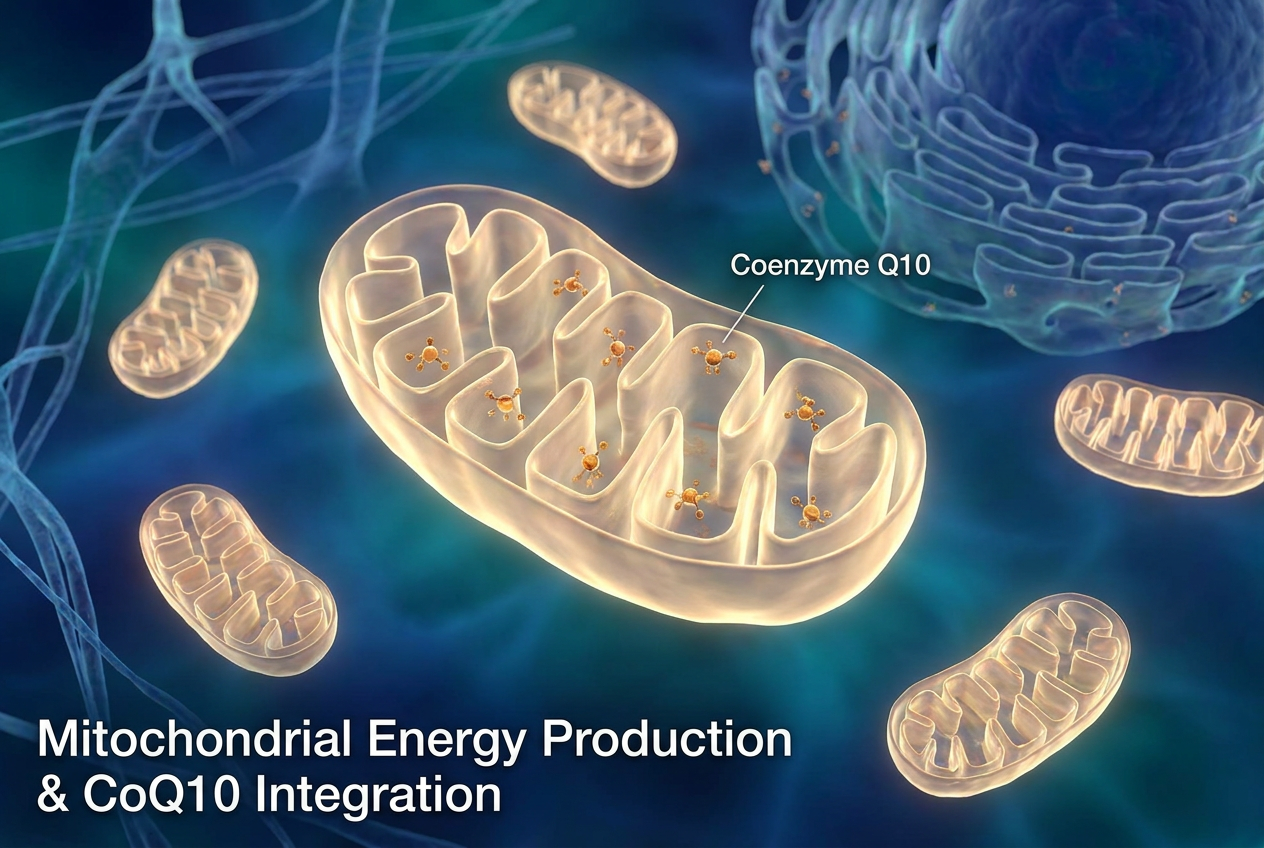
Autophagy fasting facts begin with a basic biological process. Inside every human tissue, cells constantly clean house. The word translates from Greek as self-eating. Think of it as an internal recycling system. When nutrients run low, cells gather damaged proteins, worn-out mitochondria, and cellular debris. They enclose these broken parts in membranes and deliver them to specialized structures called lysosomes. Enzymes break down the waste into amino acids and other basic building blocks. The cell then reuses these raw materials to build fresh components or generate metabolic energy.
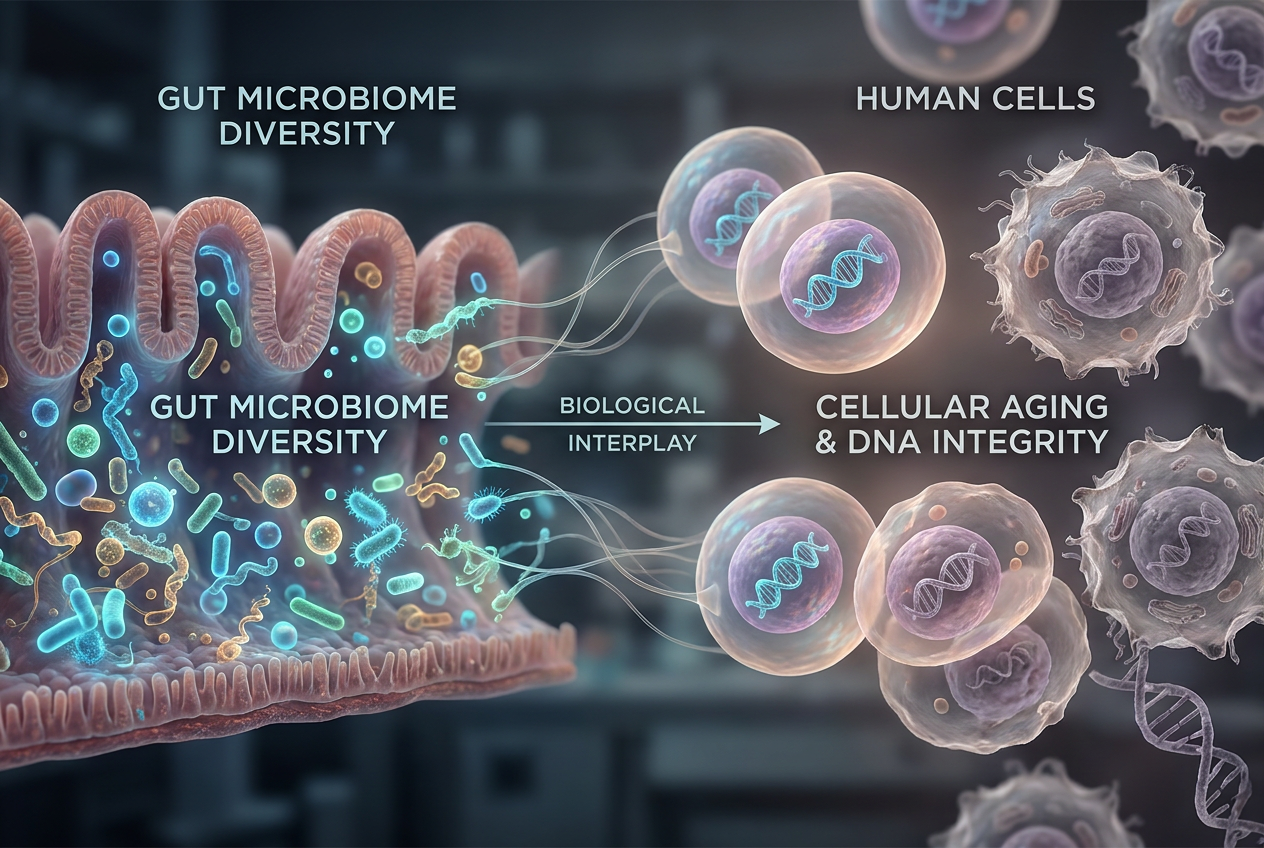
This housekeeping protects against cellular aging. Over decades, molecular damage accumulates inside living tissues. If left unchecked, dysfunctional proteins clump together and impair normal organ function. By clearing out defective parts, autophagy helps maintain cellular quality control. Researchers study this mechanism closely because its efficiency tends to decline as people grow older. Supporting this natural recycling pathway has become a central pillar of longevity research.
How Fasting Triggers Autophagy: The Science in Simple Terms
Nutrient sensing controls cellular cleanup. When food is present, proteins such as mTOR signal the cell to grow and store energy. Fasting drops circulating glucose and amino acids. This sudden nutrient scarcity turns off the growth signal.
Without external fuel, the cell switches its internal priority from building to recycling. AMPK acts as the primary energy sensor. When cellular energy drops, AMPK activates scavenger proteins that tag damaged cellular debris.
Animal studies show that significant upregulation of this clearance mechanism typically requires extended windows without caloric intake. While human data relies heavily on indirect biomarkers, the molecular pathway remains consistent. Depriving the body of exogenous nutrients forces it to harvest internal waste for survival.
What the Research Actually Shows: Benefits and Limitations
Much of what popular culture claims about fasting and cellular cleanup rests on animal data. Rodent models show clear spikes in recycling activity after extended periods without food. Translating those precise timelines directly to humans remains challenging. Human trials measuring intracellular cleanup markers directly are methodologically difficult to conduct. Researchers often rely on indirect proxies, such as metabolic byproducts or inflammatory markers, which leave room for interpretation.
Controlled studies do confirm that caloric restriction and metabolic shifts improve overall metabolic health, insulin sensitivity, and cellular resilience. Yet, claiming that a specific number of fasting hours guarantees a complete internal reset is an oversimplification. Human biology responds to metabolic stress with nuance. Individual genetics, baseline health, and body composition all alter how a person responds to temporary food abstention.
Signs of Autophagy and Fasting Facts
Many wellness blogs claim that specific physical symptoms reveal when cellular cleanup begins. Readers often look for clear signals like skin tingling or sudden fatigue. Human biology does not offer such direct sensory feedback. The internal recycling mechanism operates silently beneath conscious awareness.
Blood tests cannot measure the process directly either. Researchers must rely on complex laboratory markers or animal models to track autophagic activity. Popular charts suggesting exact hour markers for tissue repair extrapolate heavily from rodent studies. Human timelines likely differ and vary widely based on individual metabolic health, age, and genetics. Relying on subjective feelings to gauge cellular status remains unreliable. Understanding these limitations helps separate evidence from internet myth.
How Long Do You Need to Fast for Autophagy?
Human timelines for triggering cellular cleanup remain difficult to pinpoint precisely. Animal studies suggest measurable increases in recycling markers after twenty-four to forty-four hours without food. Direct measurements in living humans require invasive tissue biopsies, which limits available clinical data. Most estimates rely on proxy biomarkers like falling insulin levels and rising ketone bodies.
Shorter intervals, such as sixteen hours of daily abstinence, initiate mild metabolic shifts but likely fall short of maximum cleanup rates. Reaching significant thresholds demands extended periods where glycogen stores deplete entirely. Individual metabolic flexibility, baseline nutrition, and physical activity levels alter these windows significantly.
Practical Ways to Support Autophagy Beyond Fasting
Abstaining from food is not the only trigger for cellular cleanup. Regular exercise stimulates the same metabolic pathways through physical stress on muscle tissue. Resistance training and high-intensity intervals deplete cellular energy reserves, which activates cleanup signals even when nutrients are present.
Dietary components also influence these pathways. Certain natural compounds found in plant foods can mimic the biochemical conditions of fasting. For instance, polyphenols in green tea, extra virgin olive oil, and colorful berries interact with nutrient sensors. Similarly, adequate protein restriction during specific meals prevents the constant activation of growth signals, allowing repair mechanisms more room to operate throughout the daily routine.
Key Takeaways: Separating Evidence from Hype
Popular wellness media often presents cellular cleanup as a simple switch. Fast for a specific number of hours, and the body automatically resets. Current science tells a more nuanced story. Animal models demonstrate clear metabolic shifts, yet direct human measurements remain technically challenging and scarce.
Abstaining from meals offers proven metabolic benefits, such as improved insulin sensitivity and weight management. These outcomes stem from overall energy balance rather than exclusive reliance on targeted cellular recycling. Healthy adults can use intermittent fasting as one practical tool among many. Combining sensible meal timing with regular physical activity and nutrient-dense food supports long-term metabolic health without requiring extreme protocols or unverified biological certainty.
Frequently Asked Questions
What biological purpose does autophagy serve in human tissues?
Cells use this internal recycling mechanism to clear out damaged proteins and dysfunctional components. By breaking down cellular debris, the body recovers vital nutrients and maintains baseline metabolic health.
How do nutrient levels regulate cellular cleanup pathways?
Abundant dietary protein and glucose activate specific growth-promoting proteins that suppress cleanup processes. Restricting nutrient intake removes these inhibitory signals, allowing cellular maintenance and recycling to commence.
Can individuals physically feel when cellular cleanup begins in their bodies?
Human biology lacks direct sensory feedback mechanisms to signal the onset of these internal repairs. Popular claims about tingling skin or sudden fatigue serving as reliable indicators are entirely unsupported by medical science.
Do human studies confirm the exact fasting timelines observed in animal research?
Rodent trials demonstrate clear metabolic spikes within specific hourly windows, but researchers cannot directly apply those numbers to people. Direct measurement of these processes in living humans remains exceptionally difficult and largely inconclusive.
Are there alternative methods to stimulate cellular recycling without abstaining from food?
Physical exertion places acute metabolic stress on muscle tissue, activating the exact same pathways triggered by caloric restriction. Incorporating resistance training and high-intensity interval workouts helps deplete cellular energy reserves and supports natural cleanup mechanisms.