


Your Gut: A Control Center for Cellular Health
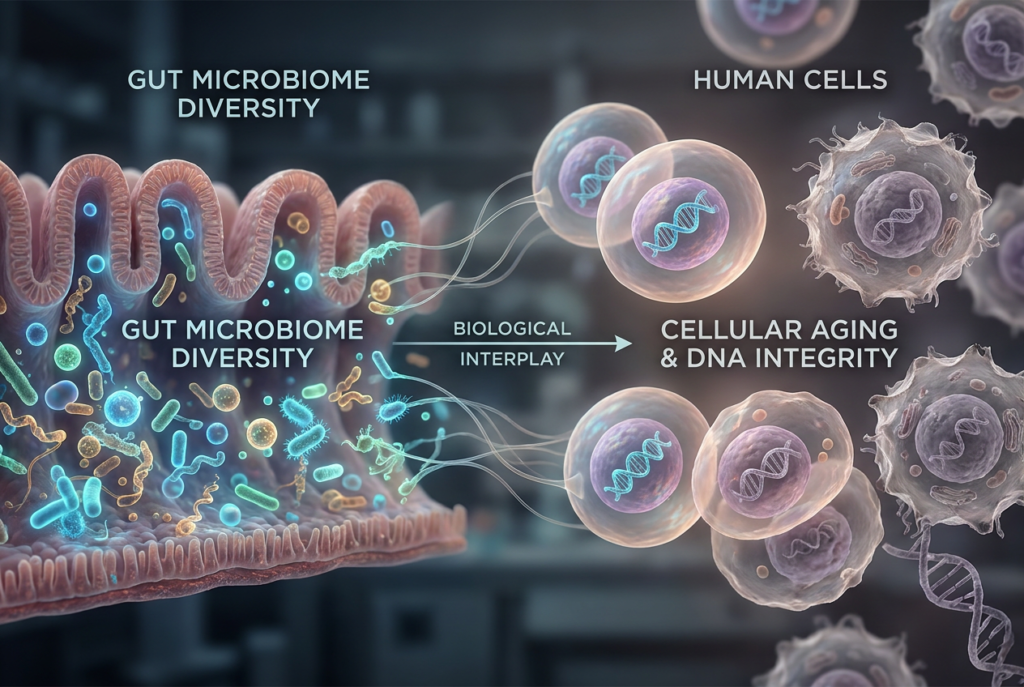
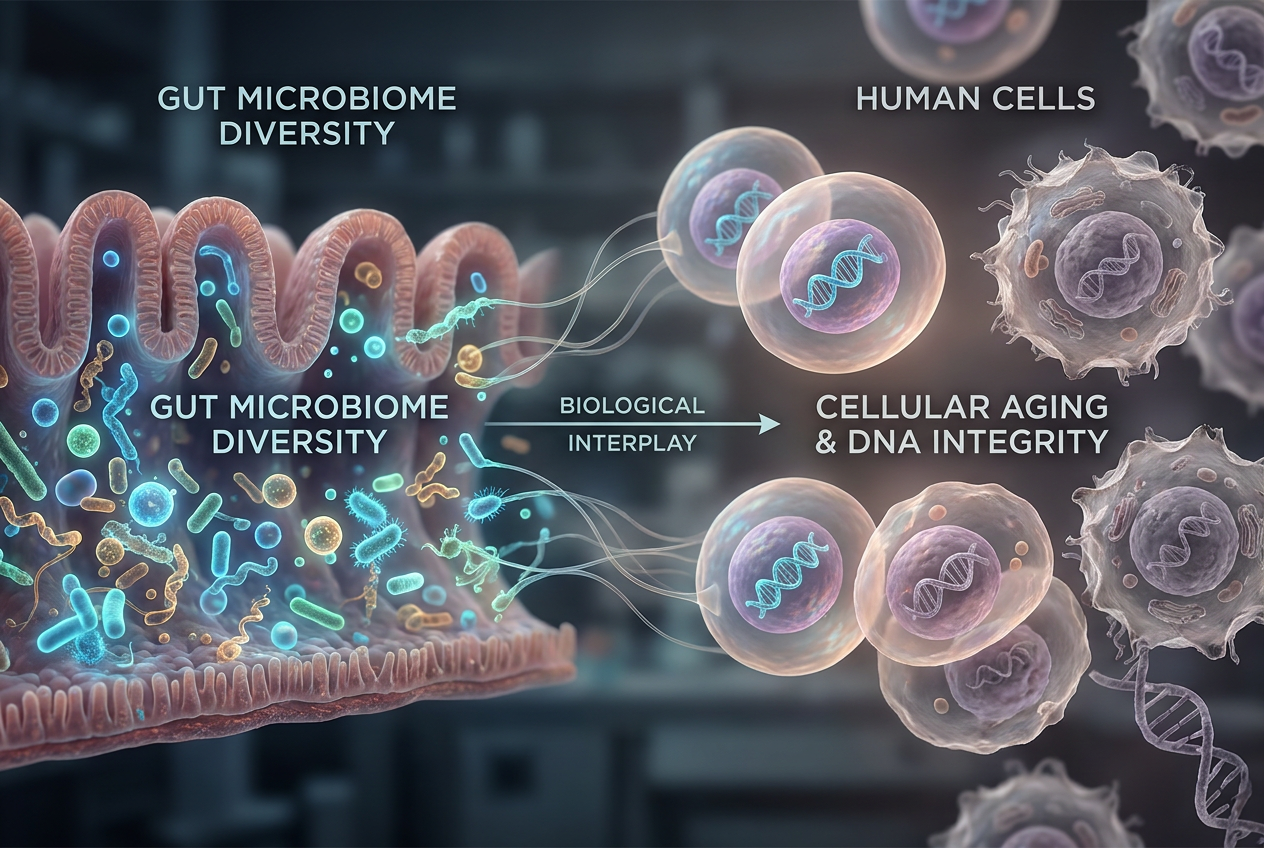
Trillions of microorganisms live inside the human digestive tract. This complex community, known as the gut microbiome, weighs about two kilograms. These microbes do much more than process food. They produce short-chain fatty acids like butyrate, which nourish the cells lining the intestine. They also manufacture neurotransmitters and communicate directly with the immune system.
When this microbial ecosystem is balanced, it helps protect tissues from chronic, low-grade inflammation. This silent inflammation is a primary driver of cellular aging. Certain beneficial bacteria strengthen the intestinal wall, preventing unwanted particles from leaking into the bloodstream. When harmful bacteria outnumber helpful ones, the gut barrier weakens. This shift allows inflammatory signals to circulate throughout the body, gradually accelerating wear and tear on cells.
The Microbiome–Aging Connection: What Science Shows
Researchers analyze microbial populations through sequencing techniques to map gut health cellular aging patterns across decades. Longitudinal studies reveal that centenarians often harbor distinct bacterial strains compared to younger adults. These resilient profiles feature higher levels of taxa like Akkermansia muciniphila, which helps maintain intestinal barrier integrity. Conversely, chronological aging typically correlates with reduced microbial diversity and an overgrowth of inflammatory species. Clinical observations suggest these shifts influence systemic immunity and metabolic pathways. While scientists continue mapping exact causal directions, these microbial shifts serve as reliable indicators of biological age.
How Gut Imbalance Accelerates Cellular Aging
An altered microbial balance disrupts the single layer of cells lining the intestine. Tight junctions between these cells begin to loosen. Undigested food particles and bacterial toxins leak into the bloodstream. This phenomenon is known as increased intestinal permeability.
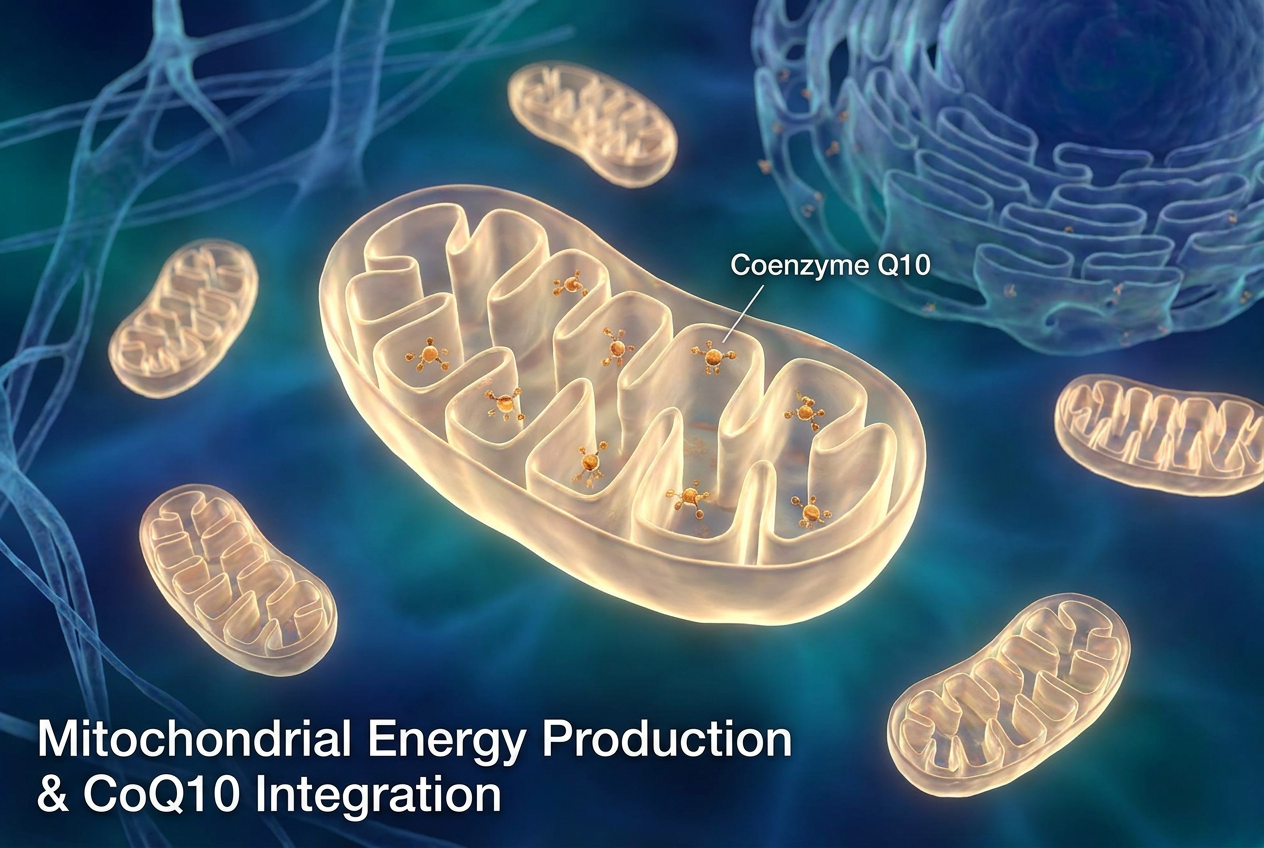
Once circulating toxins reach deep tissues, they trigger chronic low-grade inflammation. Immune cells release signaling proteins called cytokines that damage neighboring structures. Over years, this persistent inflammatory state wears down cellular repair mechanisms. Mitochondria produce fewer energy molecules, while oxidative stress accelerates DNA damage inside tissues throughout the body.
Signs Your Gut May Be Affecting Your Cellular Health
An unhealthy digestive tract rarely sends a direct signal to human cells. Instead, systemic clues reveal when the microbiome is failing to protect tissue integrity. Chronic low-grade fatigue often points toward impaired nutrient absorption in the small intestine. Persistent skin breakouts frequently reflect increased systemic inflammation driven by microbial byproducts entering the bloodstream.
Digestive irregularities like chronic bloating or irregular bowel movements serve as primary indicators. Beyond the abdomen, frequent minor infections suggest that diminished microbial diversity has compromised immune surveillance. Mood fluctuations also provide a window into gut function, because microbes produce neurotransmitters that communicate directly with the vagus nerve. Recognizing these signs allows individuals to address microbial imbalances before they accelerate systemic cellular wear.
Gut-Friendly Habits to Support Healthy Aging
Dietary fiber serves as the primary fuel source for beneficial microbes residing in the lower intestine. Microbes ferment these complex carbohydrates into short-chain fatty acids like butyrate. Butyrate feeds colon cells and strengthens intestinal walls.
Consuming thirty different plant species each week fosters microbial diversity. Variety encourages different bacterial strains to thrive. Fermented foods supply live microorganisms that temporarily join the resident community. Polyphenols found in berries, green tea, and olive oil selectively stimulate protective bacterial populations.
Limiting ultra-processed foods starves inflammatory microbes. Artificial sweeteners and emulsifiers can degrade the protective mucus layer guarding the intestinal lining. Simple daily adjustments in food choices shift microbial output away from chronic low-grade inflammation toward tissue maintenance.
What About Probiotics and Supplements?
Targeted supplements often enter the conversation when dietary fiber proves insufficient for microbial balance. Capsules containing live bacteria, known as probiotics, aim to introduce helpful strains directly into the digestive tract. Clinical data suggests certain specific strains can modestly reduce low-grade inflammation markers in adults over forty. Yet, live microbes rarely colonize the human intestine permanently. They act more like temporary visitors that interact with existing resident bacteria before passing through.
Cardiologists and immunologists occasionally urge caution with broad-spectrum probiotic use in vulnerable populations, since concentrated bacterial loads can trigger adverse reactions in compromised systems. Prebiotics, such as inulin or resistant starch, feed existing microbial populations rather than adding new ones. Dietary sources like chicory root, garlic, and slightly underripe bananas deliver these compounds safely. Concentrated powders offer an alternative, but rapid dose increases frequently cause severe bloating. Gradual introduction allows the intestinal ecosystem time to adapt without disrupting daily comfort.
Key Takeaways: Your Gut, Your Cells, Your Aging
Microbial diversity dictates how efficiently the body manages oxidative stress over decades. Supporting these resident populations through dietary fiber and fermented foods helps preserve intestinal barrier integrity. Scientific research continues to clarify how microbial metabolites influence systemic inflammation and biological aging trajectories. Small, daily adjustments to nutrition create measurable shifts in internal microbial communities. Long-term cellular preservation relies heavily on maintaining this internal ecosystem.
Frequently Asked Questions
How do gut bacteria directly influence how the body ages over time?
Beneficial microbes produce essential compounds like short-chain fatty acids that nourish intestinal walls and regulate systemic oxidative stress. When microbial populations remain balanced, they help maintain cellular integrity and metabolic efficiency as a person grows older.
What exactly happens to the body when the intestinal barrier becomes compromised?
When tight junctions between intestinal cells loosen due to microbial imbalance, unwanted toxins and partially digested food particles escape into the bloodstream. This leakage triggers chronic low-grade systemic stress that accelerates cellular wear and tear throughout the body.
Are there specific physical warning signs that indicate poor gut health?
An unhealthy microbiome frequently manifests through persistent fatigue caused by suboptimal nutrient absorption and ongoing systemic inflammation. Individuals may also experience frequent digestive discomfort or lowered immune resilience before noticing deeper cellular impacts.
Can dietary changes alone restore a youthful microbial balance?
Consuming abundant dietary fiber and fermented foods provides the primary fuel necessary to cultivate diverse, resilient bacterial strains in the lower intestine. While targeted supplements can offer additional support, whole foods remain the foundation for long-term microbial health.
Do centenarians share unique characteristics within their gut microbiomes?
Longitudinal studies indicate that individuals who live past one hundred often host distinct, highly resilient bacterial strains compared to younger populations. These specialized microbial profiles appear to help mitigate age-related physiological decline more effectively.