




What Are Omega-3 Fatty Acids and Why Do Cells Need Them?
Omega-3 fatty acids are a family of polyunsaturated fats defined by a specific chemical structure. The human body cannot manufacture these fats on its own. Every cell in the body requires them from external sources to build structural boundaries.
The primary types include alpha-linolenic acid, or ALA, found in plant sources like flaxseeds and walnuts, along with eicosapentaenoic acid and docosahexaenoic acid, known as EPA and DHA, which occur mainly in fatty fish and marine algae. ALA serves largely as an energy source, while EPA and DHA integrate directly into biological membranes.
Without a steady supply of these specific fats, cellular infrastructure becomes rigid. This structural shift impairs how cells communicate, transport nutrients, and respond to internal signals.
How Omega-3s Support Cellular Membranes and Function
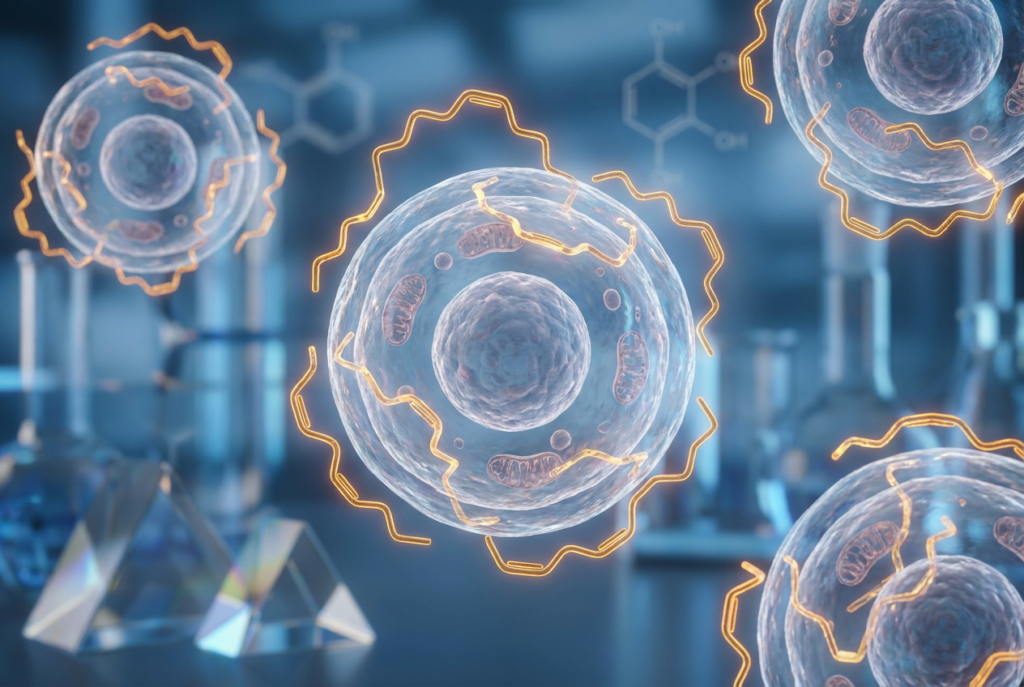
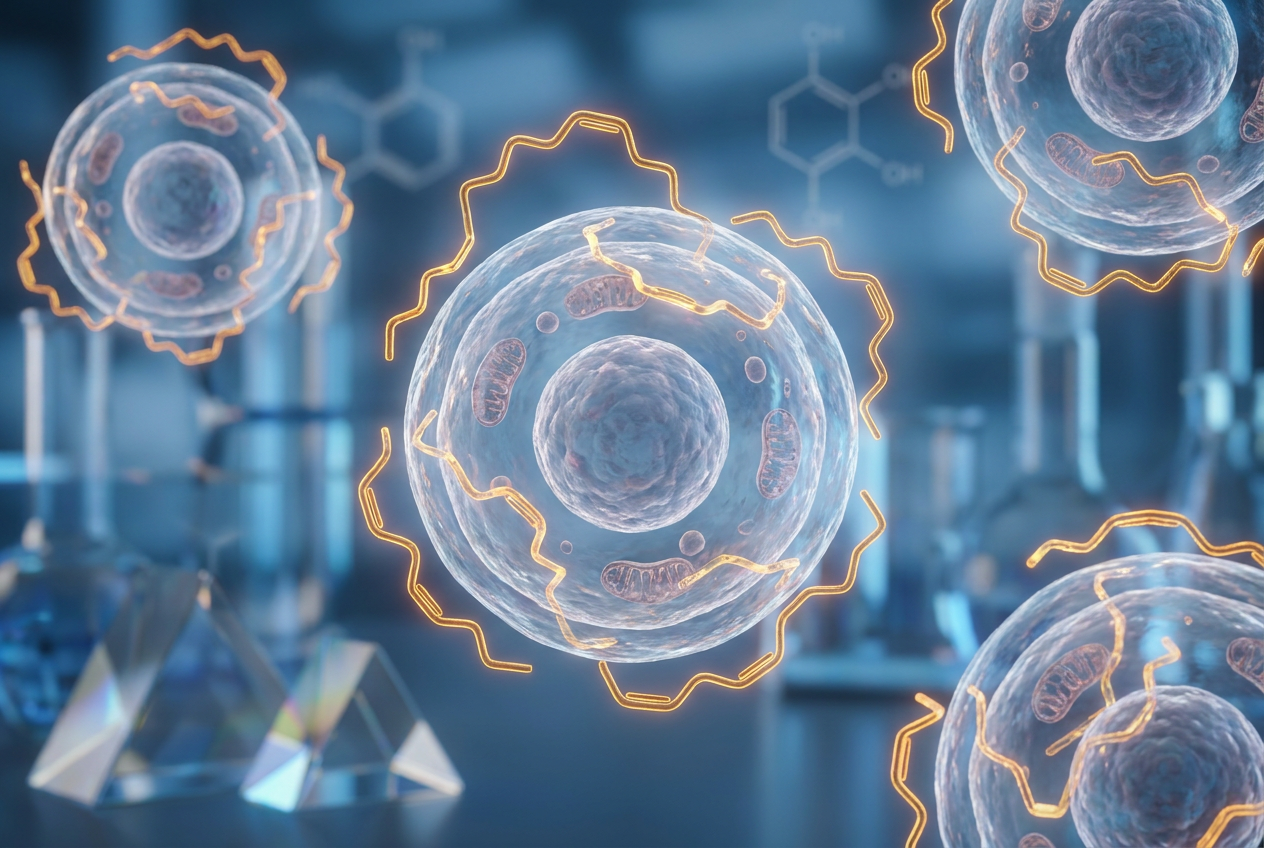
Every cell in the human body is enclosed in a protective barrier called the cell membrane. This membrane is not a rigid wall. It is a flexible, fluid double layer made primarily of fats. Omega-3 fatty acids, particularly EPA and DHA, integrate directly into this double layer. Their unique chemical shape prevents the membrane from packing too tightly together.
This structural fluidity is essential for daily cellular work. Proteins embedded within the membrane need room to move and change shape to transmit chemical signals from the outside world. When omega-3 levels are adequate, receptor proteins function smoothly. When membranes become too stiff due to an excess of saturated fats, these vital signaling tasks slow down.
Omega-3s, Inflammation, and Cellular Signaling: The Evidence
Inside living tissues, cells constantly communicate through chemical messengers. Omega-3 fatty acids actively shape this signaling network. When the body encounters tissue damage or pathogens, specialized proteins trigger an immune response. While acute inflammation helps fight infection, chronic low-grade inflammation damages cellular structures over time. EPA and DHA serve as biological raw materials that the body transforms into specialized pro-resolving mediators. These molecules signal immune cells to halt the inflammatory reaction once the threat passes. Clinical trials measuring inflammatory markers like C-reactive protein show that consistent intake of marine-derived omega-3s helps moderate these pathways, supporting balanced cellular communication.
What the Research Really Says About Omega-3s and Healthy Aging
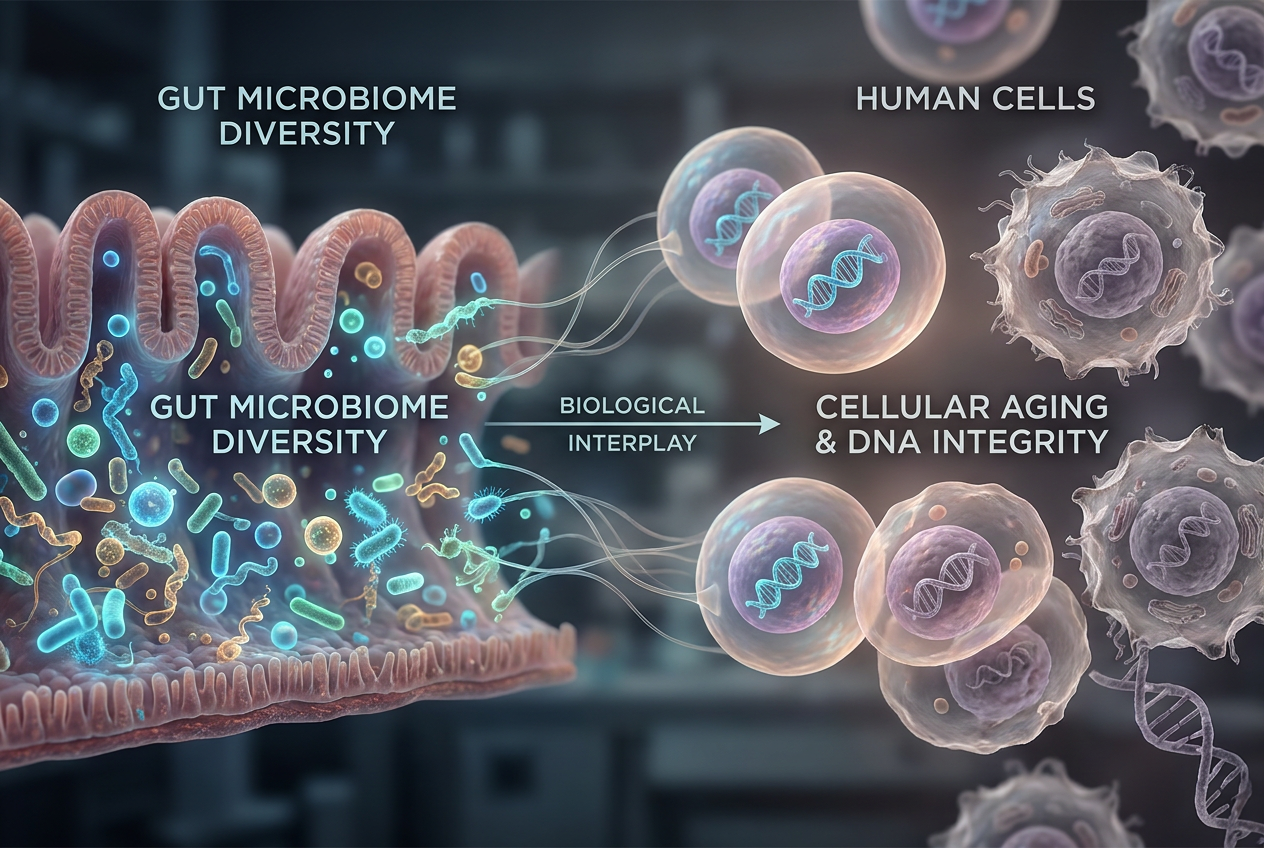
Clinical studies measure cellular aging through markers like telomere length and systemic inflammation levels. Longitudinal data tracks how dietary intake correlates with biological aging over decades. Large cohorts show that higher circulating levels of EPA and DHA associate with preserved physical function in older adults. Yet, direct intervention trials yield mixed results. Short-term supplementation does not automatically reverse established cellular damage. Instead, evidence suggests omega-3s act as a supportive factor that maintains baseline function as tissues undergo normal wear. Researchers continue to analyze whether these fats influence epigenetic clocks or simply reduce the physiological burden of chronic, low-grade inflammation.
How Much Omega-3 Do You Need and What Are the Best Sources?
Health organizations recommend a daily intake of two hundred and fifty to five hundred milligrams of combined EPA and DHA for healthy adults. Oily fish like wild salmon, mackerel, sardines, and herring deliver these specific fatty acids directly. Plant foods, including flaxseeds, chia seeds, and walnuts, supply an alternative form called ALA. The human liver can convert ALA into EPA and DHA, but that conversion rate sits below ten percent for most people. Anyone relying solely on plant sources may require higher overall quantities to reach similar tissue concentrations. Meeting these targets through whole foods remains the most reliable strategy before considering concentrated oils.
Omega-3 Supplements vs. Food: What You Should Know
Fatty fish like salmon, mackerel, and sardines deliver omega-3s alongside proteins, selenium, and vitamin D. Plant sources like flaxseeds, chia seeds, and walnuts provide alpha-linolenic acid, which the human body converts into active forms at a very low conversion rate.
Capsules and liquid oils isolate these fats without the accompanying nutrients. High-dose fish oil products often face quality concerns regarding oxidation and rancidity, which degrades the fragile polyunsaturated bonds. Whole foods eliminate this stability issue. Dietary intake also avoids the concentrated doses found in some commercial tablets, keeping intake closer to evolutionary patterns.
Safety, Side Effects, and When to Talk to a Doctor
High doses of omega-3 supplements can thin the blood and increase bleeding risks. This matters for people taking anticoagulant medications or preparing for surgery. Mild side effects include a fishy aftertaste, loose stools, or mild digestive upset.
Current safety data suggests that intakes up to three grams daily from combined sources are generally well tolerated by most adults. Higher amounts require medical supervision. Anyone managing a chronic health condition or taking prescription blood thinners should consult a healthcare provider before adding concentrated omega-3 capsules to their routine. Professional guidance helps tailor intake safely without unintended interactions.
Key Takeaways: Omega-3s in Your Cellular Health Strategy
Long-term cellular health relies on consistent dietary habits rather than quick fixes. Omega-3 fatty acids help maintain membrane flexibility and modulate inflammatory pathways across human tissues. Whole foods like fatty fish remain the primary choice for dietary intake. Supplements offer an alternative for individuals who rarely consume fish, provided they select third-party tested products to ensure purity. Consulting a qualified healthcare provider helps tailor daily targets to individual blood markers and medications. Small, consistent adjustments to nutrition create the structural foundation for healthy aging over decades.
Frequently Asked Questions
Can the human body manufacture its own omega-3 fatty acids?
No, the human body lacks the biological mechanisms required to synthesize these polyunsaturated fats independently. Consequently, individuals must acquire EPA, DHA, and ALA through external sources such as diet or supplementation to meet their physiological demands.
Why is cell membrane fluidity dependent on omega-3s?
Cell membranes require a flexible double layer of lipids to function efficiently and allow nutrients to pass through freely. EPA and DHA integrate directly into these lipid layers, preventing the membrane from becoming too rigid and ensuring proper cellular communication.
How do plant-based omega-3 sources differ from marine sources?
Plant sources like flaxseeds and walnuts contain alpha-linolenic acid (ALA), which the body must convert into the active forms EPA and DHA. Conversely, fatty fish provide these active fatty acids directly, bypassing the need for metabolic conversion.
What risks are associated with high-dose omega-3 supplementation?
Excessive intake of omega-3 supplements can impair blood clotting mechanisms, raising bleeding risks for individuals on anticoagulant medications. Milder side effects like digestive upset or a persistent fishy aftertaste are also common at elevated doses.
Do omega-3 fatty acids impact the biological aging process?
Clinical studies tracking long-term cohorts suggest a correlation between adequate omega-3 intake and preserved cellular markers of aging, such as maintained telomere length. These nutrients help modulate systemic inflammation, which directly influences how tissues degrade over time.