

What Coenzyme Q10 Is and Why Mitochondria Depend on It
Coenzyme Q10, or CoQ10, is a fat-soluble compound found in almost every human cell. Your body produces it naturally, and it concentrates heavily in organs with high energy demands, such as the heart and liver.
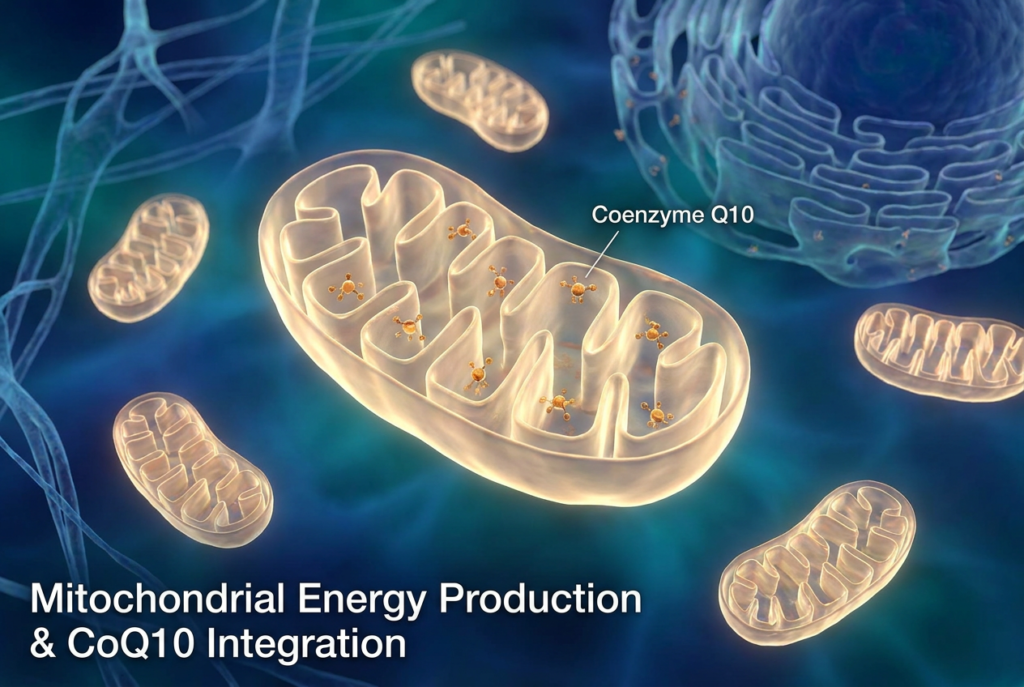
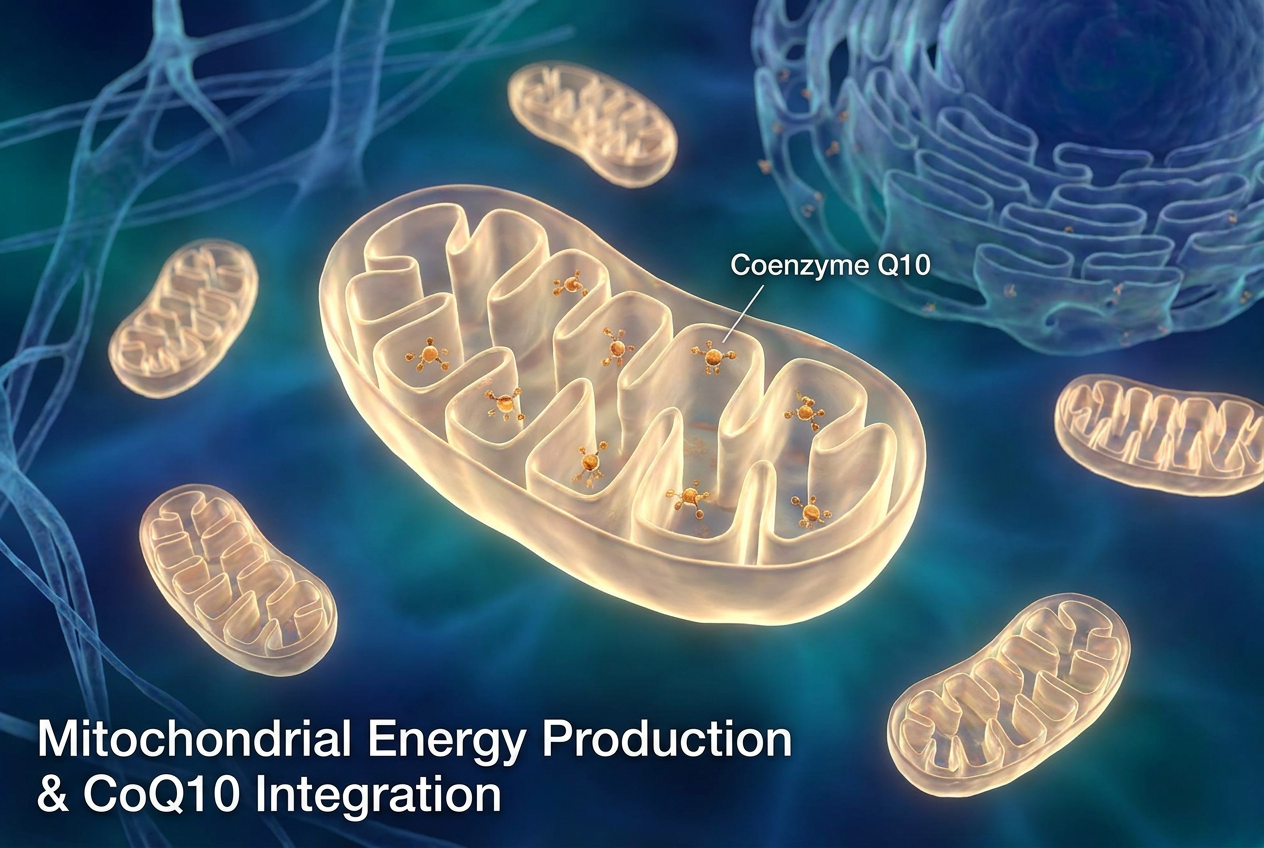
Inside the cell, CoQ10 resides primarily within the inner membrane of the mitochondria. Think of mitochondria as microscopic power plants that convert the food you eat into adenosine triphosphate, the chemical currency powering cellular work. To make this energy efficiently, electrons must pass smoothly along a molecular assembly line known as the electron transport chain. CoQ10 acts as the mobile shuttle bus between stations on this line. Without it, energy production slows significantly, leaving cells underpowered and vulnerable to internal stress.
How CoQ10 Supports Mitochondrial Function: The Basics
Inside every mitochondrion, tiny structures run an assembly line called the electron transport chain. This process moves electrons along a series of protein complexes to generate cellular energy, known as ATP. CoQ10 acts as a mobile shuttle bus within this microscopic highway. It travels between complex I and complex II over to complex III, carrying electrons crucial for keeping the energy production line moving. Without this constant transit, energy output drops significantly.
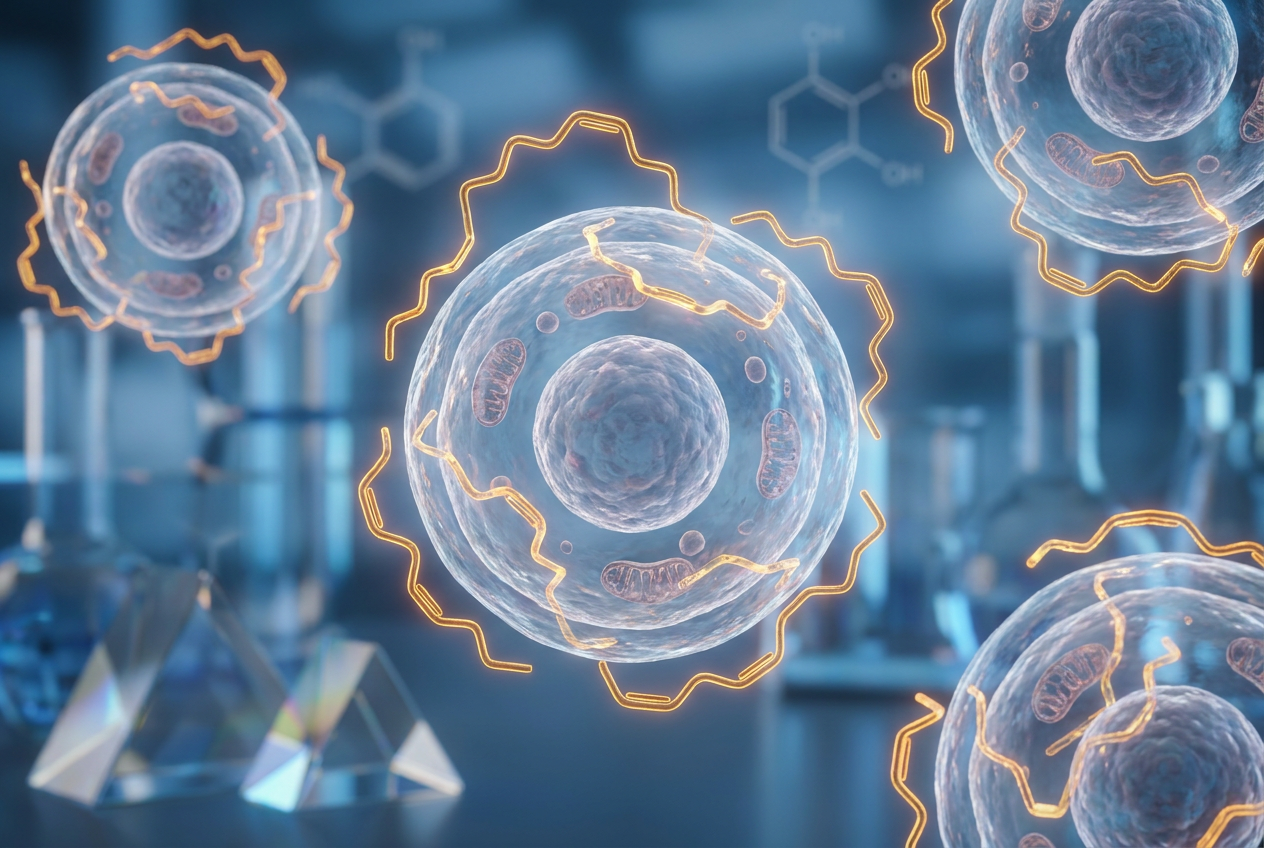
Beyond its transport duties, CoQ10 defends the energy factories from internal wear and tear. Generating ATP produces unstable molecules called free radicals as a byproduct. Because CoQ10 sits directly inside the inner mitochondrial membrane, it neutralizes these reactive species before they can damage delicate mitochondrial DNA and surrounding proteins.
Who May Benefit from CoQ10? Key Groups to Consider
Natural CoQ10 production peaks around age twenty and gradually declines. Adults over forty often experience lower tissue concentrations, particularly in heart muscle and skeletal tissue. This age-related drop reduces cellular energy output.
Individuals taking statin medications represent another primary group. Statins block the liver enzyme required to manufacture cholesterol, which simultaneously halts the biochemical pathway that produces CoQ10. This drug-induced reduction frequently manifests as muscle fatigue.
Athletes undergoing intense physical training also deplete their reserves. High metabolic demand increases oxidative stress within muscle cells. Supplementation aims to offset this depletion, supporting cellular recovery.
What Depletes CoQ10 Levels in the Body?
Natural aging is not the only factor that lowers cellular reserves of coenzyme q10 mitochondrial function. Certain pharmaceutical interventions actively interfere with its synthesis pathway. Statins, prescribed to lower cholesterol, block the mevalonate pathway. This shared chemical route produces both cholesterol and CoQ10, meaning these medications inadvertently reduce internal production.
Chronic oxidative stress also accelerates depletion. When cells face high demands or environmental toxins, they consume available antioxidant reserves faster than the body can replenish them. Strenuous physical exertion temporarily lowers tissue concentrations in untrained individuals as metabolic activity surges. Nutritional deficiencies compound the issue. Because the body builds CoQ10 from simpler amino acid and vitamin precursors, inadequate dietary intake of B vitamins or phenylalanine can limit overall synthesis capacity over time.
CoQ10 Supplementation in Aging and Disease: What the Evidence Says
Randomized controlled trials provide a mixed picture on whether oral coenzyme q10 mitochondrial function improvements translate to broad clinical outcomes. A 2018 meta-analysis in JRSM Cardiovascular Disease reviewed multiple intervention trials and noted that while biomarkers of oxidative stress often decrease, functional capacity changes vary widely. In mitochondrial myopathies—rare genetic disorders affecting cellular energy production—clinical trials like those summarized by the Cochrane Library show modest improvements in muscle performance at daily doses between 150 and 3,000 milligrams. For age-related cellular decline, data primarily stems from smaller, short-term trials lasting twelve to twenty-four weeks. These studies indicate that supplementation reliably raises blood and tissue levels, but researchers caution that long-term data confirming extended healthspan in healthy adults remains limited.
Dosage and Safety: What You Need to Know
Clinical trials typically test daily doses ranging from 100 to 300 milligrams for general cellular support. Higher amounts up to 1,200 milligrams appear in specific neurological research, but these require medical supervision. Because CoQ10 dissolves in fat, taking capsules alongside a meal containing oils or butter improves absorption.
Side effects remain mild at standard intakes. Some individuals report temporary stomach upset or mild insomnia if taken late in the evening. Individuals taking blood-thinning medications must consult a physician before starting supplementation, as CoQ10 can interact with these drugs.
Frequently Asked Questions About CoQ10 and Mitochondria
How quickly do people notice a shift after starting supplementation? Clinical observations suggest that changes in tissue concentrations take several weeks of consistent daily intake.
Is food timing important for absorption? Because this compound is fat-soluble, taking capsules alongside a meal containing dietary fats significantly improves uptake into the bloodstream.
Can the body produce too much if supplemented? Excess oral intake rarely causes serious toxicity. Mild digestive upset occasionally occurs at higher doses above 300 milligrams. Splitting the total daily amount into two smaller servings often resolves this issue.
Understanding these practical details helps clarify how targeted nutritional routines fit into long-term cellular health strategies without relying on unrealistic expectations.
Frequently Asked Questions
How long does it typically take for oral supplements to restore tissue reserves?
Raising cellular concentrations requires several weeks of consistent daily intake because fat-soluble compounds accumulate gradually in target tissues. Clinical observations indicate that patients rarely notice systemic shifts within the first few days of starting a regimen. Patience and daily adherence are essential for achieving measurable physiological changes.
Does the timing of meals impact how well the body absorbs this compound?
Dietary fat intake significantly enhances the bioavailability of fat-soluble nutrients like CoQ10. Taking the supplement alongside a meal containing healthy fats ensures optimal absorption through the digestive tract. Consuming it on an empty stomach often leads to reduced uptake and diminished overall efficacy.
Why do cholesterol-lowering medications interfere with natural cellular reserves?
Statins block the mevalonate pathway, which is the exact biochemical route the liver uses to synthesize both cholesterol and endogenous CoQ10. This pharmacological interruption frequently leads to a sharp drop in circulating and tissue-level concentrations. Patients taking these drugs often discuss targeted supplementation with their physicians to offset this specific depletion.
Can individuals get enough of this nutrient through diet alone?
While dietary sources like organ meats, oily fish, and whole grains contain trace amounts of the compound, typical daily food intake rarely matches therapeutic levels used in clinical research. Achieving higher tissue concentrations usually necessitates concentrated supplementation rather than dietary adjustments alone.
Are there any notable side effects associated with standard daily doses?
Clinical trials report that standard daily intakes between 100 and 300 milligrams are exceptionally well-tolerated by the majority of adults. Mild gastrointestinal discomfort occasionally occurs, but severe adverse reactions remain rare at these typical levels. Higher clinical dosages require professional medical oversight to monitor safety and efficacy.